Understanding the Barbados Bus System: Blue vs Yellow
The Central Hub of St. Michael
Carlisle Bay Marine Park serves as more than just a snorkeling destination; it is the geographic and logistical anchor for the parish of St. Michael and the wider island. Its proximity to Bridgetown makes it the ultimate “launching pad” for travelers. Because the island’s transportation arteries converge at the nearby Fairchild Street Terminal, visitors can enjoy a morning shipwreck dive and be at a high-rated inland cave or a coastal mystery site by early afternoon using the island’s tiered bus system. Positioning the park as the nexus for Bajan transit allows visitors to transition seamlessly from the underwater serenity of the sunken fleet to the bustling gateway of the capital’s historic streets.
The Fairchild Street Terminal, just a 5-minute walk from the bay, makes every corner of the island accessible via the ‘Blue, Yellow, and ZR’ triad.
Top Nearby Spots: Comparative Logistics
| Attraction | Distance from Bay | Interest Type | Rating |
|---|---|---|---|
| Rihanna Drive | 12 mins (Bus/Taxi) | Cultural/Celebrity | 4.8 |
| Historic Bridgetown | 5 mins (Walk) | UNESCO Heritage | 4.7 |
| The Garrison | 15 mins (Walk) | Military History | 4.7 |
| South Coast Boardwalk | 10 mins (Bus) | Scenic/Dining | 4.9 |
Rihanna Drive
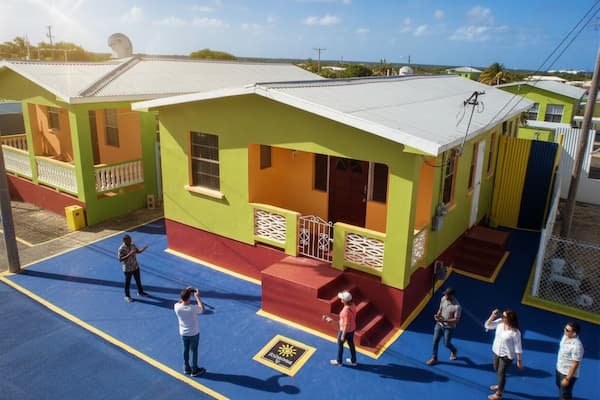
Originally known as Westbury New Road, this street was officially renamed on Independence Day in 2017 to honour the island’s most famous daughter. Visitors are greeted at the entrance by a massive, colourful plaque embedded in the pavement featuring Rihanna’s signature and biography. The neighbourhood, known as Deacons, offers an authentic look into a tight-knit Bajan working-class community where local residents often set up “pop-up” refreshment stands selling themed cocktails and traditional snacks to visiting fans.
The focal point of the drive is the superstar’s childhood home, which is meticulously maintained and painted in signature shades of vibrant green and orange. While it remains a private residence, a small plaque marks its historical significance for public viewing. The street is also located within walking distance of the Westbury Cemetery, one of the oldest and largest burial grounds on the island, providing a stark architectural contrast to the celebratory atmosphere of the Drive itself. To reach this site, travelers can take any “Out of City” bus from the Fairchild Street Terminal.
Historic Bridgetown
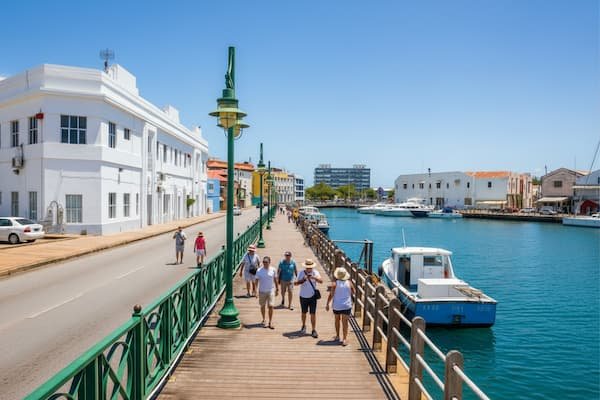
As a UNESCO World Heritage site, the waterfront and downtown core offer a blend of colonial architecture and modern Caribbean life, perfectly situated just north of the marine park. The area is dominated by the Parliament Buildings, which date back to 1871 and represent some of the finest examples of Gothic architecture in the Western Hemisphere. Walking through this district, travelers will encounter the Chamberlain Bridge and the Careenage, where historical inter-island trading vessels once moored.
The region is more than a museum; it is a functional commercial centre. Visitors should explore the Jewish Synagogue and its accompanying museum, which chronicles the arrival of Sephardic Jews in the 1650s and their impact on the island’s sugar industry. For those staying near the bay, Bridgetown is accessible via a short stroll past the Constitution River, making it an ideal destination for a post-dive Bajan lunch. The proximity to the bus terminals also makes it the primary starting point for any island-wide exploration.
Bajan Culture & Mystery
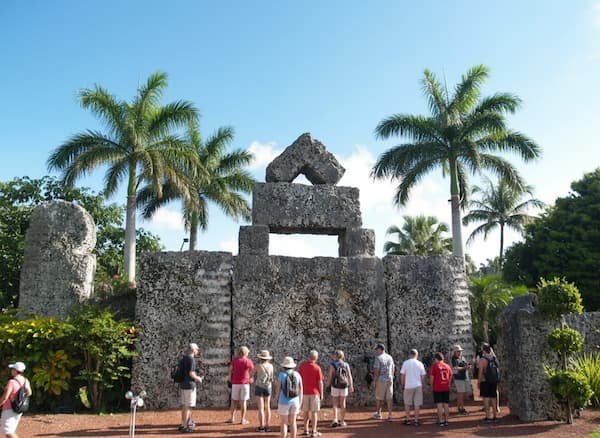
Beyond the metropolitan bustle lie sites like the Chase Vault in Christ Church, constructed of massive coral stone blocks and partially embedded in a hillside. This site is famous for the “restless coffins” of 1812, where lead coffins were reportedly found shifted within a sealed vault. While skeptics attribute the movement to localized flooding or tremors, the site remains a significant historical curiosity offering panoramic views of the Oistins coastline. It is easily reached by taking a southward bus from the marine park.
For those seeking natural wonders, Cole’s Cave in St. Thomas offers a subterranean adventure. Part of the Jack-in-the-Box Gully system, it features a permanent underground river known as the Waterhall River. This cave serves as a habitat for the Barbados Fruit Bat and requires physical agility to navigate, as travelers must often crouch through narrow limestone passages. It provides a raw, unlit contrast to the commercially developed caves elsewhere on the island, emphasizing the rugged interior geography that defines Barbados beyond its coastline.
Mastering the Local Transit: Blue vs Yellow
Navigating from the bay to these landmarks is part of the Barbadian experience. However, the system requires a baseline understanding of local etiquette and “signage logic” to avoid being left at the roadside. Barbados operates a three-tiered system: the government-run Transport Board (Blue), the private Minibuses (Yellow), and the ZR Vans (White). While the fare is standardized at $3.50 BBD ($1.75 USD) across all vehicles, the operational rules differ significantly between the colours.
- The “No Change” Rule: On government-run Blue Buses, drivers do not handle money. You must drop the exact $3.50 BBD into a plastic fare box; no change is given. Conversely, Yellow Minibuses and white ZR vans employ conductors who will provide change for larger bills.
- Bus Stop Signage: Stops are marked by circular red-rimmed signs. If the sign is Yellow with a Red Circle, the bus is traveling “Out of City” (away from Bridgetown). If the sign is White with a Red Circle, the bus is traveling “To City” (toward Bridgetown/Fairchild Street).
- Hail Anywhere Policy: Unlike the Blue Buses, which strictly stop only at designated bus stops, Yellow Minibuses and ZRs will often pull over anywhere if you signal them with a hand wave, provided there is a safe clearing.
- Cultural Etiquette: On ZR vans (white with a maroon stripe), it is common practice to “compact”—meaning you may be asked to move to the back to squeeze in more passengers. These vans use a loud “horn-honking” code to signal they are looking for passengers.
The Barbados Transport Board has recently introduced a “Tap and Go” card system for the Blue Buses, though cash remains the standard for tourists. When planning your trip from visitor services at the beach, ensure you have small denominations of Bajan currency. The fixed exchange rate makes calculations simple: 2 BDS to 1 USD. Whether you choose the structured Blue route or the high-energy Yellow minibus experience, the system is both affordable and efficient for reaching sites like Rihanna Drive or the historic Garrison.
Curated Island Exploration Tours
Frequently Asked Questions
What is the difference between a yellow minibus and a ZR van?
While both are privately owned, the yellow minibus is a larger vehicle capable of seating approximately 20 to 30 passengers and often features a conductor and loud music. ZR vans are white with a maroon stripe, smaller in size, and are known for their frequency and ability to navigate tighter residential routes like those near Rihanna Drive.
Do I need exact change for all Barbados buses?
You only need exact change for the government-operated Blue Buses, as they utilize a locked fare box system where the driver cannot access the cash. If you are traveling on a yellow minibus or a ZR van, the conductor will provide change, though it is considered polite to use smaller bills whenever possible.
How do I know which direction the bus is going?
The most reliable method is to check the colour of the bus stop sign; a yellow sign with a red circle indicate the bus is heading “Out of City,” while a white sign with a red circle indicates it is heading “To City.” Additionally, most buses have a destination placard in the front window indicating their final stop, such as Oistins, Speightstown, or Sam Lord’s Castle.
Are the buses in Barbados safe for tourists?
The bus system is widely considered safe and is the primary mode of transport for both locals and visitors due to its affordability and extensive reach. While the ZR vans can be a high-energy experience with loud music and fast driving, they are a regulated and essential part of the island’s infrastructure, though those with mobility issues may find the Blue Buses more accessible.
Can I take the bus from the airport to Carlisle Bay?
Yes, several bus routes pass the Grantley Adams International Airport and head toward the Fairchild Street Terminal in Bridgetown, passing right by Carlisle Bay on Bay Street. This is an excellent budget-friendly option compared to a taxi, provided you do not have excessive luggage that would block the aisles of the bus.