5 Hidden Gem Beaches on the West Coast
While the vibrant energy of Carlisle Bay Marine Park offers a world-class underwater museum experience, sometimes the soul craves the rhythmic silence of the ‘Platinum Coast.’ Transitioning from the bustling hub of St. Michael to the secluded stretches of St. Peter and St. James reveals a different side of Barbados—one defined by crystalline stillness and natural preservation. These locations serve as a counterweight to the six sunken vessels of the south, offering a landscape where the primary focus is not the machinery of history, but the undisturbed geography of the Caribbean shoreline.
To be considered a ‘Hidden Gem’ on the West Coast, a beach must offer more than just sand; it requires a sense of privacy and a lack of the traditional tourist infrastructure that defines more commercial shores. For visitors who have spent their morning navigating the 12-metre depth of the Ce-Trek or the shallow remains of the Berwyn, these five locations provide a masterclass in Bajan ‘liming.’ They are defined by an absence of vendors and a presence of historical and biological depth that rewards the observant traveller. Here is how to integrate these serene stops into your broader Barbados itinerary.
West Coast Gem Comparison
| Feature | Gibbes Beach | Alleynes Bay | Carlisle Bay (For Ref) |
|---|---|---|---|
| Public Restrooms | None | Limited/Nearby | Multiple Stations |
| Commercial Bars | None | Lone Star / Ju Ju’s | High Density |
| Water Depth | Deep/Rapid Drop | Shallow/Gradual | Variable/Wrecks |
| Best For | Privacy & Yacht-Spotting | Dining & Turtles | Snorkeling & Wrecks |
Gibbes Beach: The Art of the Discreet Entrance
Gibbes Beach is widely considered the most secluded stretch of sand in the Parish of St. Peter. Unlike the highly visible entry points of the Carlisle Bay Marine Park, the public access to Gibbes is intentionally discreet, requiring visitors to look for a narrow pedestrian laneway. This path is located immediately south of the Southwinds vacation rental property. Missing this small gap means missing the beach entirely, as luxury villas block the remainder of the shoreline from the main road. There are no signs, no car parks, and no formal reception, maintaining a barrier to entry that preserves its quietude.
The Absence of Commerce
Gibbes is perhaps the most ‘unplugged’ beach on the island. With no public restrooms, bars, or umbrella rentals, the environment remains pristine. It is the preferred sanctuary for those looking to disconnect from the grid and enjoy the raw beauty of the Caribbean Sea without the hum of jet skis or the calls of beach vendors. Visitors must pack in all supplies, including fresh water and provisions, as the nearest shop is a significant walk toward Mullin’s Bay.
Luxury Mooring
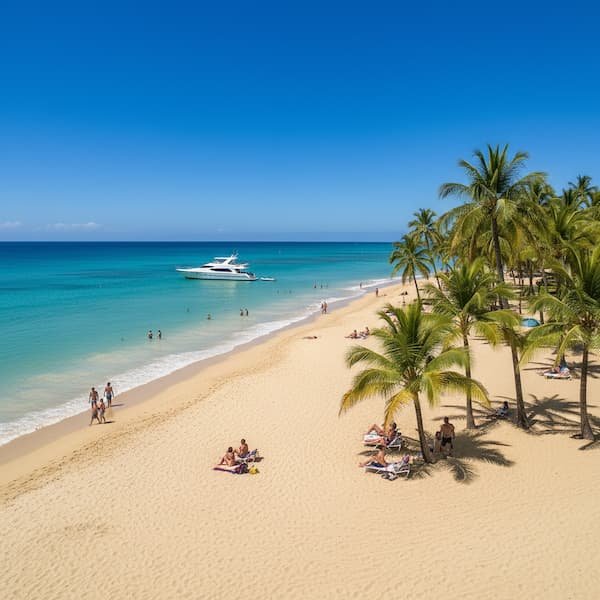
Unlike many West Coast spots, Gibbes features a unique coastal shelf that drops off rapidly. This hydrographic profile allows world-class yachts to anchor unusually close to the shoreline. The deep, “lake-like” water, characterized by a near-total absence of currents, makes it the premier location for long-distance open-water swimming practice. For those who enjoy ‘yacht-spotting’ from their towel, the view here is often a parade of the world’s most impressive private vessels.
Natural Architecture: The Mahogany Tree Canopy
One of the most striking visual differences between the West Coast hidden gems and the open expanses of Carlisle Bay’s beach clubs is the vegetation. At Gibbes Beach and parts of Reeds Bay, the traditional beach umbrella is replaced by a natural canopy of century-old mahogany trees. These massive trees grow right to the water’s edge, providing deep, cool shade that persists throughout the day. This eliminate the need for rental equipment and maintains the beach’s pristine, undeveloped aesthetic. The shade is dense enough to provide protection during the brief tropical showers that occasionally pass over the Parish of St. Peter.
Alleynes Bay: Culinary Quietude
Alleynes Bay manages a rare feat: balancing high-end sophistication with absolute serenity. Anchored by the legendary Lone Star Restaurant—a 1950s garage converted into a culinary landmark—this beach attracts a discerning crowd. While you can enjoy world-class dining, the beach itself remains remarkably quiet compared to the southern shores near Bridgetown. The sand here is remarkably wide, though local geographers note that the width fluctuates significantly with seasonal swells, occasionally exposing unique limestone shelves that are perfect for tide-pooling at the northern end.
“The transition from the fine-dining deck of Lone Star to the soft sands of Alleynes is seamless, offering a level of tranquility that perfectly complements a morning spent exploring the sunken fleet of Carlisle Bay.”
Local Estate Warden
A Vital Nesting Ground
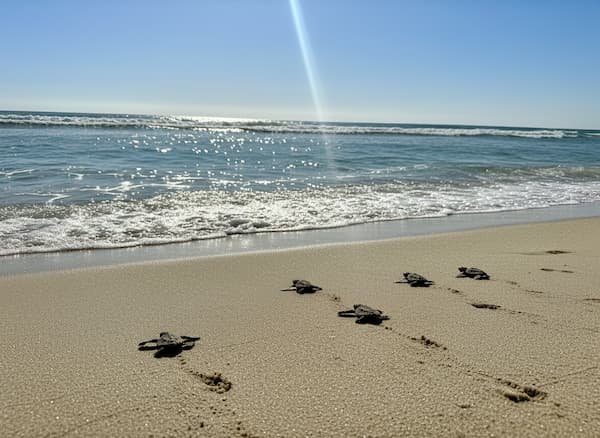
While sea turtle encounters are common at the Marine Park, Alleynes Bay serves as a critical nesting ground for both Hawksbill and Leatherback turtles. It is a shore-snorkeling alternative where turtles are frequently spotted just 10 to 15 metres from the shoreline. Visitors arriving between April and July should be especially mindful of marked nesting sites. The lack of heavy motorised traffic here makes it a safer environment for juvenile turtles than the busier harbours to the south.
Reeds Bay: The “Quiet Crescent” of Lower Carlton
Located in Lower Carlton, St. James, Reeds Bay is a perfectly shaped semi-circle bay that is often completely empty on weekdays, save for local fishermen launching small boats. The primary access point and parking are located at the historic St. Alban’s Anglican Church at the southern end. This landmark provides a sense of place that grounds the beach in Bajan history. Unlike the industrial history of the Bridgetown Port mentioned in our transportation guide, Reeds Bay reflects the residential, “old Barbados” atmosphere of the west.
The underwater topography at Reeds Bay features a series of patch reefs at its northern end. Because these reefs are less ‘stressed’ by heavy tourism than those in Carlisle Bay, they often offer better sightings of delicate sea fans and parrotfish. The water is generally shallow for a considerable distance out, making it an excellent spot for those who prefer wading over deep-water swimming. It is surrounded primarily by private villas, ensuring the noise levels remain at a minimum throughout the year.
Batts Rock Beach: The Primate Woods
Batts Rock Beach sits on the border of St. Michael and St. James and offers a unique ecological experience. The wooded hillside behind the beach is a primary habitat for Barbados Green Monkeys. These primates are most active near the picnic benches around 4:30 PM, providing a rare opportunity to observe the island’s terrestrial wildlife alongside its marine life. Unlike the more secluded gems, Batts Rock underwent a rehabilitation project that provided public showers, restrooms, and a children’s playground, making it the most facility-rich “gem” on this list.
At low tide, a secret southern trek through a wooded path leads to the abandoned Paradise Beach hotel site, offering a secluded, rustic exploration for the adventurous.
A critical safety warning for Batts Rock: the area is known for its Manchineel trees. These trees produce a toxic sap; during rain, visitors must strictly avoid sheltering under them, as the diluted sap causes severe skin blistering. These trees are usually marked with red paint on the trunks as a warning. For further safety protocols on the island’s flora and currents, consult our tourist safety guide.
Heywoods Beach: The Northern Frontier
Heywoods Beach is the northernmost gem on our list, located just a 5-minute walk from historic Speightstown. It is unique for its man-made lagoons—a series of rock groynes (barriers) that create shallow, protected pools. These pools are completely still, even when the outer Caribbean Sea is choppy, making them ideal for toddlers or nervous swimmers. The water clarity near the Port St. Charles pier is exceptional, often allowing for snorkeling right off the beach to see schools of tropical fish sheltering in the rock structures.
Explore the West Coast by Sea
While exploring by land is rewarding, many of these hidden gems are best appreciated from the water. Catamaran tours often cruise past these secluded bays, providing a perspective of the luxury villas and mahogany groves that is inaccessible from the road. Whether you are looking for a private luxury cruise or a small group snorkeling adventure, these excursions allow you to see the contrast between the bustle of St. Michael and the tranquility of St. Peter.
Frequently Asked Questions
- Are there public facilities at Gibbes Beach? No, Gibbes is a strictly residential beach with no public restrooms, changing rooms, or showers available to the public. Visitors must plan accordingly by using facilities at nearby Mullin’s Beach or Speightstown before arrival.
- Can I get to the West Coast by bus? Yes, the ‘Blue’ government buses and ‘Yellow’ minibuses run frequently along Highway 1, which parallels the coast. You can find detailed route information and fare prices in our bus system guide.
- When is the best time to see turtles nesting? Nesting typically occurs between April and July, with most activity happening under the cover of darkness. It is vital to never use flash photography or bright white lights if you encounter a nesting turtle, as this disorients them.
- Is parking available at Alleynes Bay? There is very limited street parking and a small gravel lot near the beach access points. During peak lunch hours for the Lone Star, parking can be extremely difficult to find, so arriving early or using public transport is recommended.
- How deep is the water at Gibbes? Unlike the shallow, sandy flats of Carlisle Bay, the water at Gibbes gets deep quickly due to a steep coastal shelf. This makes it excellent for strong swimmers but requires extra supervision for children or those who are not confident in deep water.