What to Pack for a Caribbean Snorkeling Trip
In Barbados, camouflage isn’t a fashion statement—it’s a legal violation. Wearing any ‘camo’ print can lead to a $2,000 USD fine or confiscation by the Barbados Defence Force.
| Item | Why You Need It | Priority |
|---|---|---|
| UPF 50+ Rash Guard | UV 11+ Protection & protects coral | High |
| Non-Nano Zinc Sunscreen | Legal requirement for marine park | Mandatory |
| Waterproof Phone Pouch | Underwater photos & beach security | High |
| Standard Swimwear | Avoid Camo prints (Strictly illegal) | Mandatory |
| Anti-Fog Gel | Clear vision for shipwreck exploring | Medium |
Navigating the UV 11+ Environment
The ‘Extreme’ UV rating in Barbados is no joke. Standard lotions often wash off before you even reach the Berwyn or Eilon shipwrecks. A long-sleeve UPF 50+ rash guard provides a physical barrier that never requires reapplication, ensuring you don’t spend your vacation treating a lobster-red burn.
Beyond personal safety, rash guards are the most eco-friendly choice. By reducing the amount of cream on your skin, you minimize the chemical runoff that can stress the delicate coral polyps currently recolonizing the Carlisle Bay artificial reef system. This is critical for the Marine Life & Sea Turtle populations inhabiting the bay.
The “Barrier” Strategy: Specialized Apparel for Carlisle Bay
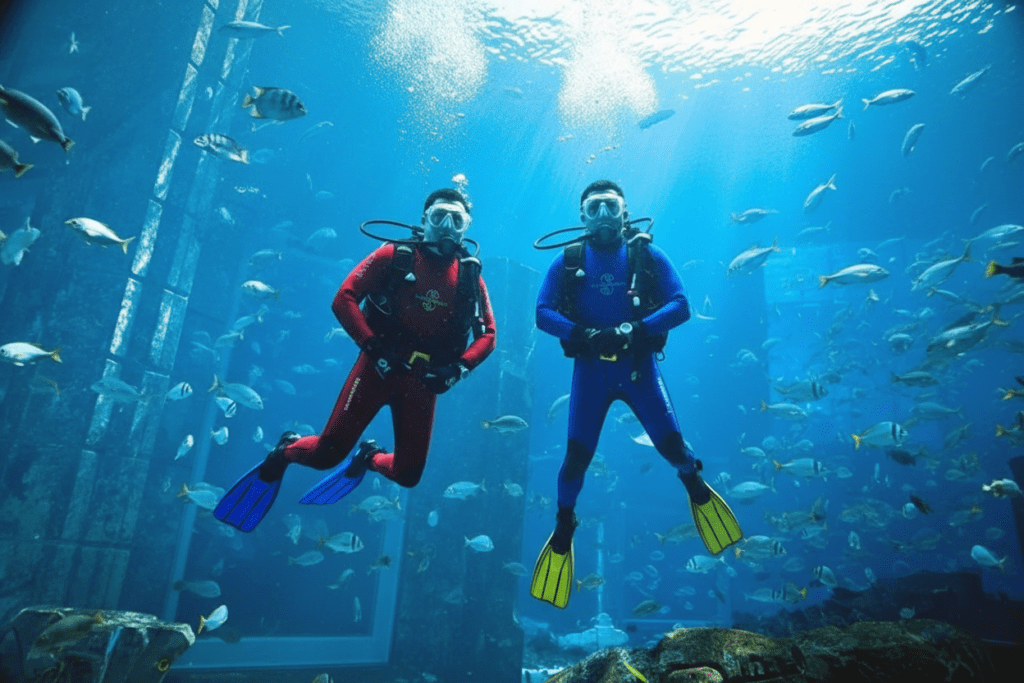
While the Caribbean Sea maintains a year-round average temperature of 27°C (81°F), your choice of apparel serves as more than just thermal regulation. For those planning to dive the Berwyn, a physical shield is essential. This vessel, which rests with its bow just 3 metres below the surface, is heavily encrusted with Fire Coral (Millepora). Contact with this organism results in a painful, burning rash that can persist for weeks. A long-sleeve rash guard acts as a mechanical barrier against accidental contact in the surge.
Conversely, the Bajan Queen sits significantly deeper at 12 metres (40 feet). If your itinerary includes repeated free-dives to these depths, a 3mm “shorty” wetsuit is recommended. The suit provides necessary core warmth for extended immersion and offers protection against the occasional jellyfish stings encountered when swimming toward the outer harbour buoys. Furthermore, consider a swim-specific “surf cap.” Floating face-down over the reefs for an hour exposes the scalp to direct UV-B radiation, a common cause of severe sunburn that traditional sunscreen cannot effectively prevent in salt water.
Advanced Footwear for Shore and Sea
Entry points matter. If you are entering the water from the soft sands of Brownes Beach, full-foot fins are sufficient. However, if your navigation plan leads you toward the rocky breakwaters near Needham’s Point, you must pack heavy-duty silicone-soled water shoes. This specific area is a known habitat for the long-spined sea urchin (Diadema antillarum). Their brittle, needle-like spines easily penetrate thin fabric or cheap rubber soles, leading to painful punctures that are difficult to treat on-site.
- Open-Heel Fins: Best paired with neoprene booties for rocky shore entries.
- Full-Foot Fins: Ideal for boat-based tours or entries from the central beach zone.
- Dry Bag (10L-20L): Mandatory for protecting electronics from the fine-grain “flour” sand and salt spray.
The Reef-Safe Requirement: Mineral-Only Blockers
Barbados’ marine park standards prioritise the health of local hawksbill and green sea turtle populations. When shopping, ignore generic ‘reef-safe’ marketing and check the active ingredients. You are looking for Non-Nano Zinc Oxide or Titanium Dioxide. Products containing Oxybenzone or Octinoxate are strictly discouraged as they contribute to coral bleaching. The Barbados Blue Turtle Project advocates for these mineral blockers to preserve the sensitive polyps inhabiting the Eilon and Ce-Trek wrecks.
Ethical Observation: The 1.5-Metre Rule
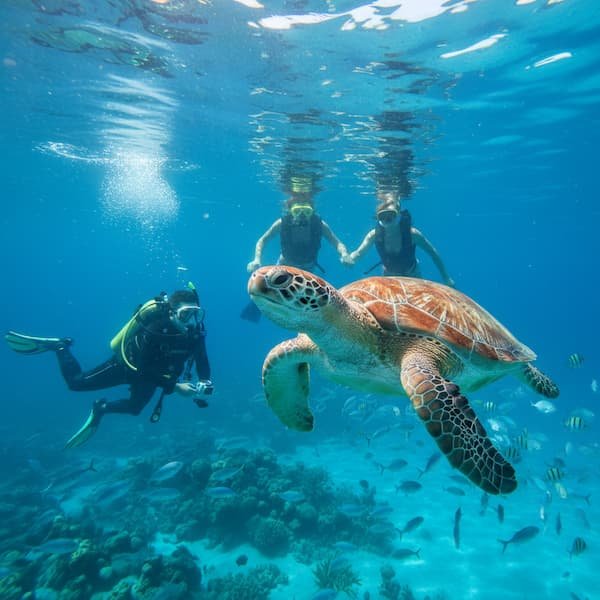
The Barbados Sea Turtle Project enforces a mandatory 5-foot (1.5-metre) buffer zone for all swimmers. While your packing list might include a GoPro or a waterproof phone case, it should never include turtle feed. Feeding wildlife alters their natural foraging patterns and makes them vulnerable to boat strikes. Maintain your distance to ensure these creatures remain wild and unafraid. If you are visiting between May and October, you may witness Hawksbill turtles nesting; in such cases, only use a red-light flashlight to avoid disorienting the hatchlings.
Snorkel Entry Points Map
Frequently Asked Questions
Is camouflage really illegal in Barbados?
Yes, it is strictly illegal for anyone other than the Barbados Defence Force to wear any form of camouflage. This law applies to hats, bags, bikinis, and even children’s clothing; it is rooted in the country’s military regulations and is strictly enforced at all ports of entry.
What happens if I bring camo gear?
If you are found wearing or carrying camouflage patterns, the items will likely be confiscated at the Grantley Adams International Airport or by local police. In some instances, visitors may also face a significant fine or arrest, so it is best to leave all military-style prints at home.
Can I rent snorkeling gear at Carlisle Bay?
Yes, high-quality masks, fins, and snorkels are widely available for rent at the various beach clubs located along the shoreline. For specific pricing on equipment and beach chairs, please consult our Visitor Services guide.
How do I know if my sunscreen is reef-safe?
You must check the back label for the active ingredients list to ensure it contains only “Non-Nano Zinc Oxide” or “Titanium Dioxide.” If the product contains Oxybenzone, Octinoxate, or Avobenzone, it is not safe for the reef and can harm the delicate ecosystems of the Carlisle Bay Marine Park.
Are there lockers for my gear at the beach?
Most established beach clubs in the bay offer secure locker rentals for a small daily fee, allowing you to store your dry clothes and valuables. If you are visiting as a solo traveller, using these lockers is highly recommended while you are in the water exploring the sunken fleet.